
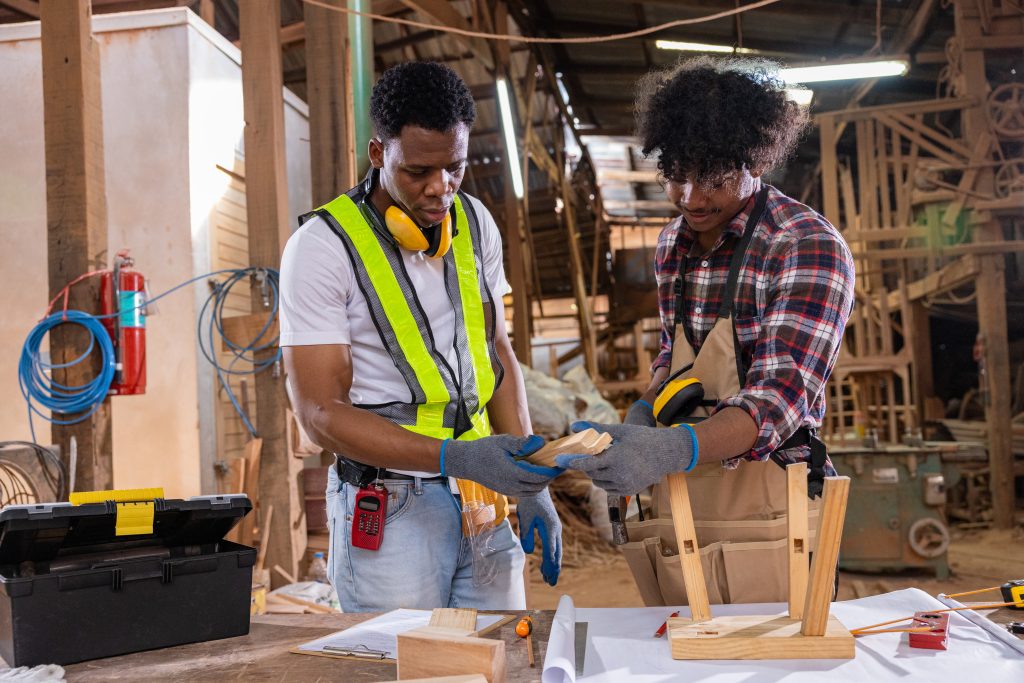
Building A Construction Apprentice Program
In the modern construction market, you cannot “Hire” your way out of a labor shortage; you must “Train” your way out of it. The most successful firms aren’t just “Searching” for talent; they are “Creating” it. An internal “Apprentice Program” is the most effective way to ensure a steady flow of “Loyal,” “High-Quality,” and “Company-Trained” workers for your firm. It allows you to “Clone your DNA” in the next generation of builders.
Building an apprentice program is a “Long-Term Investment.” It requires a shift from “Production-Only” thinking to “Mentorship” thinking. In this guide, we break down the professional steps for building a construction apprentice program that actually produces skilled talent.
1. The “apprentice” Profile: Hiring For Attitude
Don’t look for “Skills” in an apprentice; look for “Traits.”
- The Strategy: “The Blank Slate” Selection.
- The Action: Look for candidates (often right out of high school or trade school) who demonstrate:
- “Reliability”: (Show up 10 minutes early to the interview.)
- “Curiosity”: (Ask questions about how things work.)
- “Humility”: (Are willing to do the “Clean-Up” and “Labor” while they learn.)
- The Goal: You want someone who wants a “Career,” not just a “Job.”
2. The “tiered” Learning Curriculum
An apprentice shouldn’t just “Watch and Help.” They need a “Structured Roadmap” of skills to master.
- The Strategy: “The Skill-Matrix.”
- The Action: Create a written list of skills for each “Phase” of the program.
- Phase 1 (Months 1-3): Site setup, tool maintenance, safety protocols, material identification.
- Phase 2 (Months 4-9): Basic framing, demo techniques, blueprint reading basics.
- Phase 3 (Year 1+): Specialized trade tasks, site layout, lead-hand responsibilities.
- The Result: This provides the apprentice with “Visible Progress” and ensures they are learning the “Right Skills” in the “Right Order.”
3. The “mentor-mentee” Pairing
The success of an apprentice depends entirely on the “Foreman” they are paired with.
- The Strategy: “The Master and Apprentice.”
- The Action: Pair your apprentices with your “Most Patient” and “Most Professional” foremen. Not every great technician is a great teacher.
- The Incentive: Give the “Mentor” a small “Training Bonus” if their apprentice passes their “Phase Exams.” This makes the mentor “Invested” in the apprentice’s success.
4. The “shadowing And Doing” Model (70/20/10)
Professional training follows a specific ratio:
- 70% “Doing”: Hands-on work on the site under supervision.
- 20% “Shadowing”: Watching the mentor perform complex tasks and asking “Why.”
- 10% “Formal”: Classroom-style learning (OSHA certifications, vendor-led material training).
5. “phase Exams” And Pay Increases
An apprentice program must have “Milestones” that matter.
- The Strategy: “Competency-Based” Growth.
- The Action: At the end of each “Phase,” the apprentice must perform a “Technical Test.” (e.g., “Frame this corner to spec in under 30 minutes”).
- The Reward: When they pass a phase, they get a “Tiered Pay Increase” and a “New Set of Tools.” This creates a “Gamified” growth path that keeps the apprentice motivated during the “Slow” learning months.
6. “culture” Integration
An apprentice program is where you “Build your future Leaders.”
- The Action: Include the apprentices in your “Company Meetings.” Explain the “Business” side of the project to them. Show them the “Estimates” and the “Profit Targets.”
- The Value: When an apprentice understands “The Big Picture,” they become more than just a “Laborer”—they become a “Professional” who understands the importance of speed, quality, and waste reduction.
Conclusion
A construction apprentice program is the “Ultimate Sustainability Plan” for your business. It is the process of “Seeding your future.” By being rigorous with your selection, structured with your curriculum, and patient with your mentorship, you can build a team that is immune to the “Poaching” of competitors because they were “Built” by you. In the construction industry, the “Best-Trained” firms are the ones that “Own the Market.”